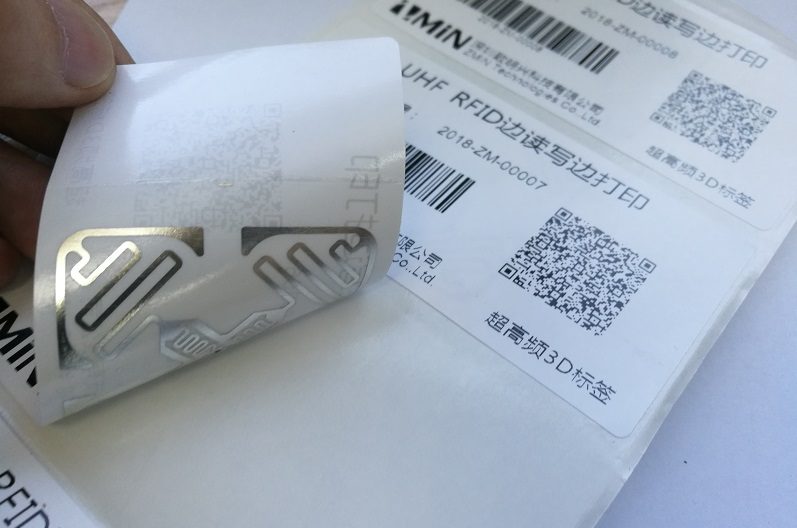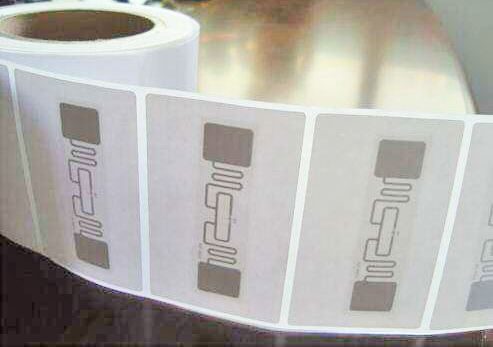
RFID stands for Radio Frequency Identification, meaning radio frequency identification. RFID is a communication technology that can identify specific targets and read and write related data through radio signals without establishing mechanical or optical contact between the identification system and the specific target. The most important advantage of RFID systems is non-contact identification: they can read and write tags through snow, fog, ice, paint, dust and other harsh environments where ordinary barcodes cannot be used, and the reading/writing speed is extremely fast, in most cases under 100 milliseconds.
RFID products fall into three main categories: passive RFID products, active RFID products and semi-active RFID products. Labels printed with RFID barcode printers are all passive RFID labels.
Main features of RFID: 1. Fast scanning: an RFID reader can read multiple RFID tags simultaneously; 2. Long reading distance (UHF only); 3. Diverse tag shapes, suitable for different surfaces; 4. Tags are reusable, and chip data can be modified and erased (except when encrypted and locked); 5. Can read and write through a variety of non-metallic, non-liquid materials; 6. Large chip data capacity; common capacities are 96 bits, 128 bits and 256 bits, up to several KB, meeting different needs; 7. Good security: can be encrypted, locked, unlocked and destroyed. RFID technology can not only help an enterprise greatly improve the efficiency of goods and information management, but also interconnect sales enterprises and manufacturing enterprises, so as to more accurately receive feedback information, control demand information and optimize the entire supply chain.
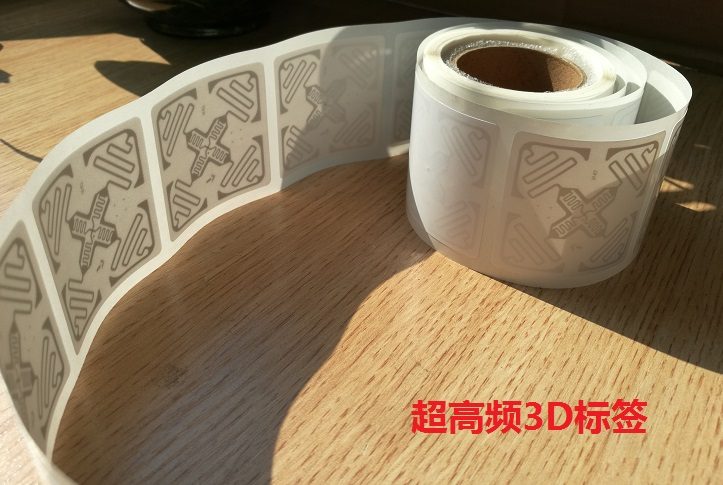
UHF electronic labels: Operating frequency: 860-960 MHz. Compliant standard: ISO 18000-6C. Memory capacity: 96 bit, 128 bit, 512 bit, etc. Reading/writing distance: 3~10 m (depending on the antenna used). Operating mode: R/W (readable and writable). Data retention: more than 10 years.
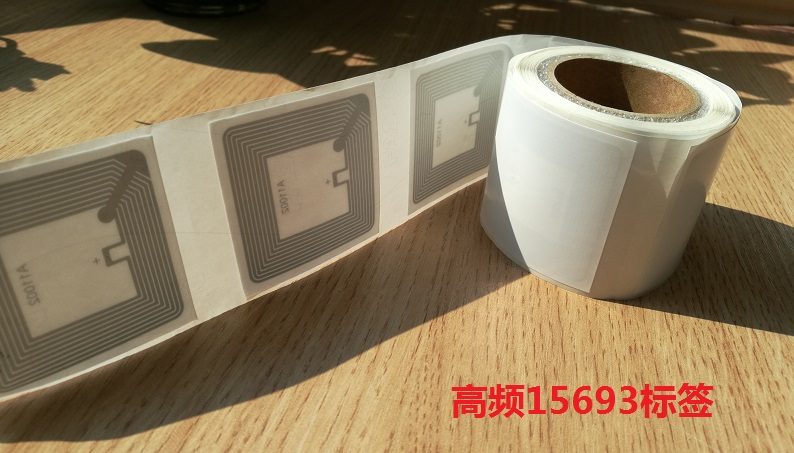
HF electronic labels: Operating frequency: 13.56 MHz. Compliant standards: ISO/IEC 15693/14443/NFC/UltraLight. Memory capacity: 256 bit~512 kbit. Reading/writing distance: within 50 cm (depending on the antenna used). Operating mode: R/W (readable and writable). Data retention: more than 10 years.